
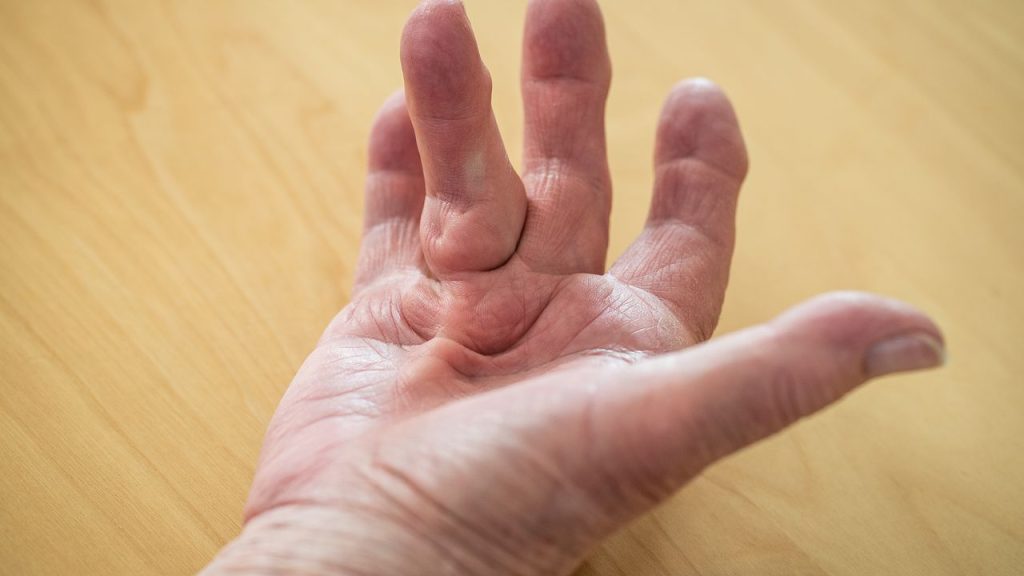
Dupuytren’s Disease: How Physiotherapy and Acupuncture Can Help
Have you noticed a lump in your palm or found that one of your fingers is becoming difficult to straighten? While it may seem like a minor issue initially, these can be early signs of Dupuytren’s Disease—a common condition affecting the connective tissue of the hand.
At Centre of Health Ivanhoe, our physiotherapists and acupuncturists regularly help patients manage hand conditions that impact movement, strength, and day-to-day function. While Dupuytren’s Disease cannot be reversed without medical intervention, physiotherapy and acupuncture may play an important role in maintaining mobility, managing symptoms, and supporting hand function.
What Is Dupuytren’s Disease?
Dupuytren’s Disease is a progressive condition that affects the fascia, a layer of connective tissue beneath the skin of the palm. Over time, thickened nodules and cords can develop, gradually pulling one or more fingers—most commonly the ring and little fingers—towards the palm.
The condition often develops slowly over several years and may initially present as:
A lump or thickening in the palm
Tightness in the hand
Difficulty placing the hand flat on a table
Reduced finger extension
Difficulty gripping objects or performing fine hand movements
Although not always painful, the condition can become increasingly frustrating as hand function declines.
How Physiotherapy Can Help
While physiotherapy cannot remove the cords associated with Dupuytren’s Disease, it can help maintain the function of the hand and address secondary stiffness, weakness, and movement restrictions.
At Centre of Health Ivanhoe, physiotherapy treatment may include:
Assessment and Monitoring
Dupuytren’s Disease progresses differently for everyone. Our physiotherapists assess finger mobility, grip strength, hand function, and the impact the condition is having on your daily activities. Regular monitoring can help identify changes early and determine whether referral for specialist review may be appropriate.
Maintaining Mobility
As fingers become more difficult to straighten, surrounding joints and soft tissues can become stiff. Physiotherapy can help maintain available range of motion and reduce compensatory movement patterns that may develop over time.
Improving Hand Function
Simple tasks such as gardening, opening jars, carrying shopping bags, using tools, typing, or participating in sport can become increasingly difficult. Treatment focuses on preserving strength, dexterity, and hand function so you can continue doing the activities that matter to you.
Post-Surgical Rehabilitation
If medical intervention becomes necessary, physiotherapy plays an important role in recovery. Following procedures such as needle release or surgical fasciectomy, rehabilitation helps restore movement, improve strength, manage swelling, and optimise long-term outcomes.
How Acupuncture Can Help
Although acupuncture does not reverse Dupuytren’s Disease, it may provide valuable support for symptom management and overall hand health.
At Centre of Health Ivanhoe, acupuncture may be used to:
Reduce hand pain and tenderness
Improve local circulation
Decrease muscle tension through the hand and forearm
Support tissue health and mobility
Assist with associated conditions such as arthritis, neck pain, shoulder tension, or chronic pain
From a Traditional Chinese Medicine perspective, treatment aims to improve the circulation of Qi and Blood through the affected area, helping to reduce stagnation and support healthy movement.
Many patients appreciate the combination of physiotherapy and acupuncture, with physiotherapy focusing on movement and function while acupuncture helps address pain, tension, and overall wellbeing.
What Does the Research Say?
Current research suggests that conservative treatments including hand therapy, splinting, exercise, manual therapy, massage, and other physiotherapy-based interventions may help improve hand function, grip strength, and symptoms in some individuals with Dupuytren’s Disease.
While further high-quality research is still needed, physiotherapy is widely recognised as an important component of managing hand function and supporting recovery following medical procedures.
Research on acupuncture specifically for Dupuytren’s Disease remains limited. However, acupuncture has demonstrated benefits for pain management, circulation, and musculoskeletal conditions, making it a useful adjunct treatment for many patients experiencing hand discomfort or associated upper limb tension.
When Should You Consider a Surgical Opinion?
Not everyone with Dupuytren’s Disease requires surgery. However, referral to a hand specialist may be recommended if:
You are unable to place your hand flat on a table
Finger contractures are progressing
Hand function is becoming significantly affected
Daily activities are becoming difficult
The condition is worsening rapidly
Treatment options may include needle fasciotomy, collagenase injection, or surgical fasciectomy, depending on the severity of the condition.
How Centre of Health Ivanhoe Can Help
At Centre of Health Ivanhoe, we take a collaborative approach to hand health. Our physiotherapists and acupuncturists work together to provide individualised treatment plans aimed at maintaining mobility, reducing discomfort, and helping you continue the activities you enjoy.
If you’ve noticed a lump in your palm, increasing finger tightness, or reduced hand function, early assessment can help identify the best management options and determine whether further specialist referral may be beneficial.
Book an Assessment
If you’re concerned about changes in your hand or finger movement, our team at Centre of Health Ivanhoe can help assess your condition and develop a tailored treatment plan to support your long-term hand function and wellbeing.