
Can acupuncture help supraspinatus tendonitis?
Acupuncture can be a valuable part of treatment for supraspinatus and rotator cuff-related shoulder pain.
Rather than simply treating the tendon itself, acupuncture may help address some of the factors that can keep shoulder pain going, including local muscle tension, sensitivity around the shoulder and pain associated with movement. This can make it easier to move the shoulder and participate in a progressive strengthening program.
Importantly, there is research supporting acupuncture for rotator cuff-related shoulder pain.
One randomised controlled trial published in Pain investigated acupuncture in 52 sportspeople with rotator cuff tendinitis. Participants received either acupuncture or a specially designed placebo needle over four weeks. The researchers found greater improvement in the acupuncture group, suggesting that the effects could not be explained solely by the treatment setting or expectation.
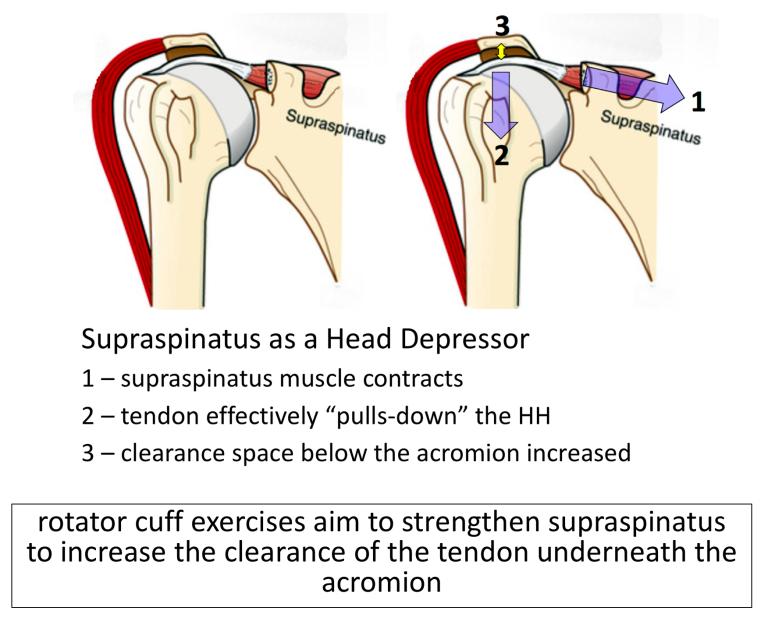
This is particularly relevant to supraspinatus problems because the supraspinatus is one of the four rotator cuff tendons and is frequently involved in rotator cuff-related shoulder pain.
What might acupuncture be doing?
Shoulder tendinopathy isn’t simply a problem of inflammation. In longer-standing cases, changes in tendon structure and increased sensitivity of the nervous system can contribute to ongoing pain.
Acupuncture may influence pain processing and reduce sensitivity in the muscles and tissues around the shoulder. Clinically, this can sometimes result in:
-
Reduced shoulder pain
-
Less muscle tension and protective guarding
-
Improved comfortable movement
-
Greater tolerance of exercise
-
Improved ability to use the shoulder during everyday activities
For someone whose shoulder is too painful to exercise effectively, reducing pain can be particularly useful because it creates an opportunity to start progressively loading and strengthening the tendon.
Acupuncture and physiotherapy: working together
We don’t see acupuncture and physiotherapy as competing treatments.
They can work particularly well together.
Acupuncture can help settle pain and sensitivity, while physiotherapy progressively rebuilds the strength and load tolerance of the rotator cuff.
For example, a treatment session might combine acupuncture to reduce shoulder pain and muscle tension with specific exercises designed to gradually strengthen the supraspinatus and other rotator cuff muscles.
This approach is consistent with current rehabilitation principles: manage pain while progressively restoring the shoulder’s capacity to tolerate load.
There is also emerging research specifically investigating needling-based treatments for supraspinatus tendinopathy. A recent randomised clinical trial involving 46 people with supraspinatus tendinopathy found that a treatment combining percutaneous electrolysis, peripheral nerve stimulation and eccentric exercise produced greater improvements in pain, movement and shoulder function than conventional physiotherapy modalities combined with the same exercise program.
These techniques are not the same as traditional acupuncture, so the results shouldn’t be directly attributed to acupuncture. However, they add to the growing research interest in needle-based approaches for supraspinatus and rotator cuff tendinopathy.
Does acupuncture heal the tendon?
It is important to be realistic.
Acupuncture should not be presented as a way of magically “repairing” a damaged tendon. The strongest role for acupuncture is likely to be in helping manage pain and improve the person’s ability to move and rehabilitate the shoulder.
The tendon still needs appropriate progressive loading.
This is why we combine acupuncture with physiotherapy rather than relying on either treatment alone.
A personalised approach to shoulder pain
Every shoulder is different. A painful supraspinatus tendon may be affected by training load, work demands, muscle strength, movement patterns, previous injury and how sensitive the shoulder has become.
At Centre of Health Ivanhoe, we can assess your shoulder and develop an individualised treatment program that may combine physiotherapy, acupuncture and progressive exercise.
Our aim is not simply to reduce your pain for a few days. It is to help you restore shoulder strength, movement and confidence so you can return to the activities you enjoy.
Research
-
Kleinhenz J, Streitberger K, Windeler J, Güssbacher A, Mavridis G, & Martin E. (1999). Randomised clinical trial comparing the effects of acupuncture and a newly designed placebo needle in rotator cuff tendinitis. Pain, 83(2), 235–241.
-
A 2025 randomised clinical trial investigated percutaneous electrolysis, peripheral nerve stimulation and eccentric exercise in people with supraspinatus tendinopathy, finding improvements in pain, mobility and function compared with conventional physical therapy modalities plus exercise.